
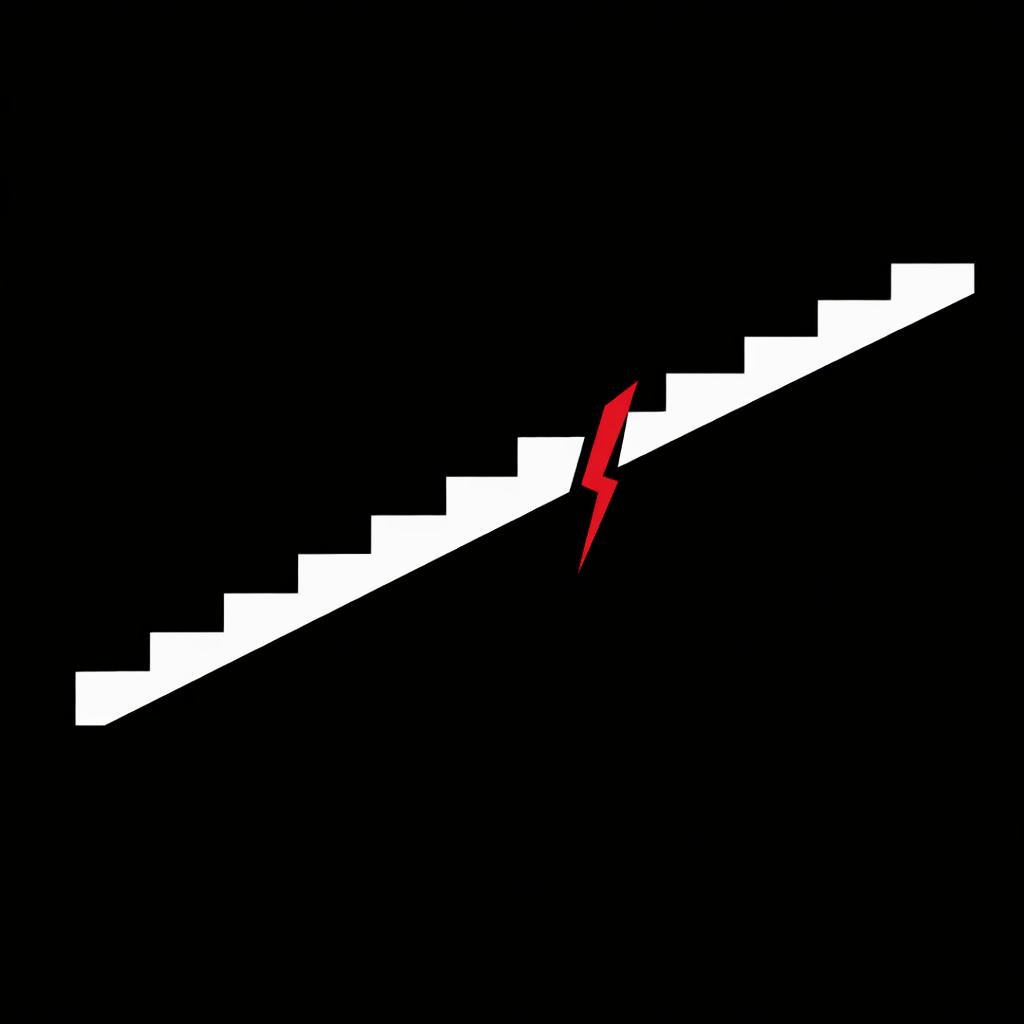
“Progress raises expectations; when small issues remain, they feel bigger. Improvement can increase dissatisfaction.”
The Tocqueville Paradox describes a counterintuitive pattern: when a situation improves, people often become more sensitive to the problems that remain. Instead of gratitude rising in a linear way with progress, frustration can increase because expectations also increase. What was once tolerated as normal becomes visible, discussable, and eventually unacceptable.
This idea is especially useful for understanding why teams, organizations, and societies can experience more criticism during periods of success than during periods of obvious decline. As standards improve, people compare reality not with the past, but with what now seems possible.
What it stands for
The paradox is associated with Alexis de Tocqueville, the French political thinker who observed that conditions often become most unstable not when they are at their worst, but when they are beginning to improve. As barriers fall and conditions become better, awareness grows. People notice inconsistencies, unmet promises, unfair treatment, process friction, and gaps between declared values and lived experience.
In practical terms, the Tocqueville Paradox stands for this principle:
- Improvement changes perception.
- Better conditions raise expectations.
- Higher expectations make remaining defects more visible.
- Visible defects generate dissatisfaction, even in a positive trend.
This does not mean progress is bad. It means progress creates a new reference point. Once people see that improvement is possible, they expect consistency, fairness, reliability, and follow-through.
Why this matters in organizations
In business and technology environments, this paradox appears frequently. A company may invest in new tools, simplify governance, improve transparency, or modernize delivery practices. The overall situation gets better, yet complaints seem to increase. Leaders may wrongly conclude that the changes are failing, when in fact the opposite may be true: people are now more engaged, more aware, and less willing to accept avoidable inefficiencies.
Typical examples include:
- A service desk becomes faster overall, but users become more vocal about the few tickets that still take too long.
- A project portfolio becomes more transparent, and stakeholders react more strongly to prioritization conflicts that were previously hidden.
- A product experience improves significantly, and customers become less tolerant of small usability issues.
- Management communication becomes more open, and employees begin to challenge decisions that once passed without discussion.
These reactions often signal maturity rather than decline. People are calibrating themselves to a better standard.
Application to teamwork and collective performance
When people work more closely, align more often, and share information more openly, they tend to detect more gaps in process, decision-making, accountability, and coordination. This can feel uncomfortable. Increased interaction reveals dependencies, inconsistent assumptions, duplicated work, and local optimizations that harm the broader outcome.
That visibility is not a side effect to fear. It is often a necessary condition for better collective performance. Friction becomes discussable only after it becomes visible. In that sense, the Tocqueville Paradox helps explain why progress in working relationships can temporarily make tensions appear stronger.
Examples in day-to-day work include:
- More transparent planning exposes priority conflicts between teams.
- Better cross-functional alignment reveals unclear ownership.
- Improved communication highlights strategy gaps that were previously ignored.
- Greater participation increases the number of issues raised during change initiatives.
Seen through this lens, rising dissatisfaction may indicate that the environment has become safe enough, structured enough, or mature enough for people to speak honestly.
Common management mistake
A common mistake is to interpret increased criticism as proof that an initiative is not working. This often leads to defensive communication, premature rollback, or attempts to reduce feedback. A better interpretation is to ask whether the system has improved enough that people now expect more.
Instead of reacting defensively, leaders can respond with questions such as:
- What has become newly visible?
- Which expectations have risen because of recent progress?
- Are complaints concentrated around the remaining bottlenecks?
- Do people criticize because they care and believe improvement is realistic?
This perspective helps distinguish destructive negativity from productive dissatisfaction.
How to use the concept effectively
The Tocqueville Paradox is valuable when guiding transformation, adoption, service improvement, or organizational redesign. It supports a more mature reading of stakeholder reactions.
- Prepare people for the paradox.
Explain that improvement often increases sensitivity to unresolved issues. - Track trend and perception separately.
Performance data may improve while frustration also rises. - Treat complaints as diagnostic signals.
They often point to the next limiting factor. - Avoid overpromising.
Rising expectations without visible follow-through can intensify disappointment. - Use feedback to refine the system.
What becomes intolerable usually indicates where the next improvement should happen.
Limits of the idea
The paradox should not be used to dismiss legitimate concerns or to claim that all dissatisfaction is a sign of progress. Sometimes conditions are truly poor, and criticism reflects real harm or poor execution. The concept is most useful when there is evidence of genuine improvement alongside rising expectations and sharper attention to what still does not work.
Why it remains relevant
In modern organizations, especially those shaped by digital tools, rapid communication, and continuous change, expectations adjust quickly. Each gain in speed, transparency, quality, or inclusion creates a new baseline. The better the environment becomes, the more visible the remaining imperfections are.
Understanding the Tocqueville Paradox helps decision-makers stay calm during periods when progress and frustration rise together. It encourages better interpretation of feedback, better change leadership, and a more realistic view of how improvement is experienced by people.