
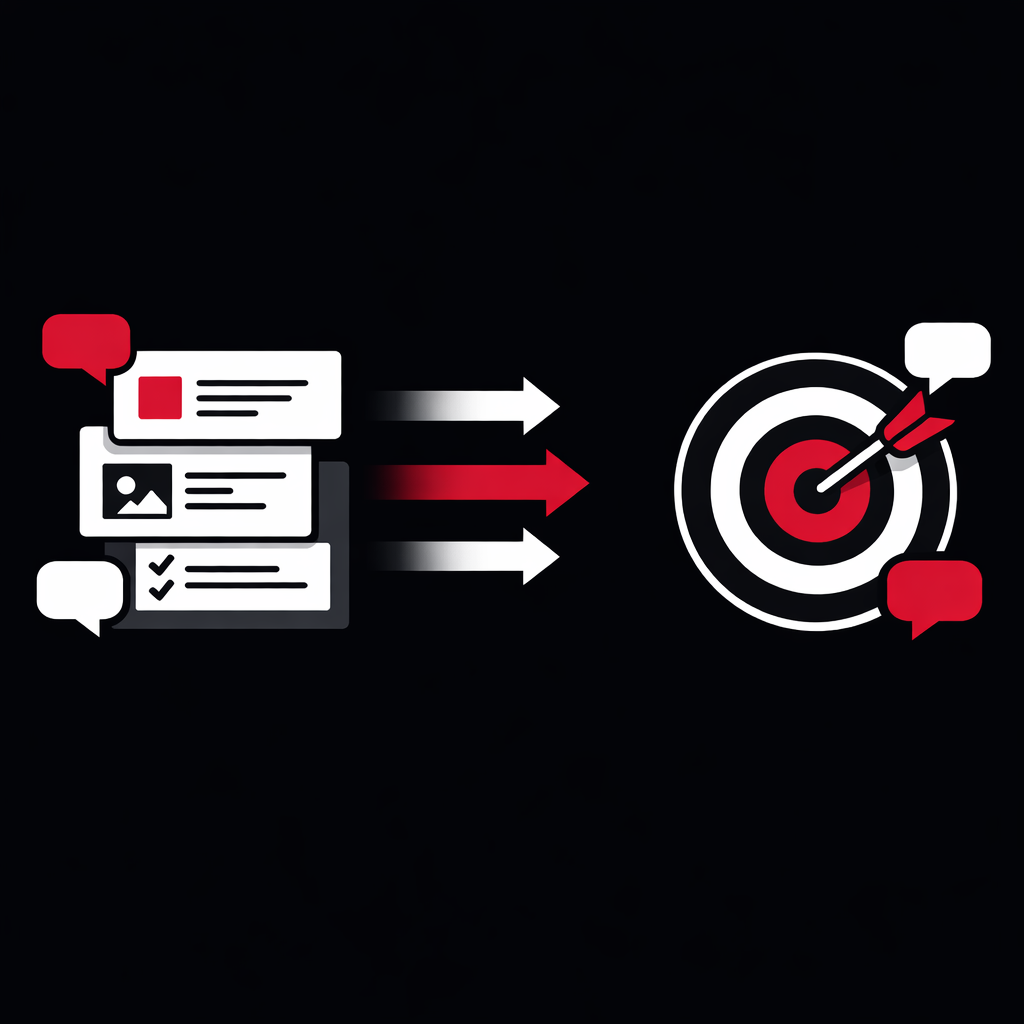
“User stories turn needs into shared understanding, helping teams design useful solutions and deliver value with clarity.”
User stories are short, simple descriptions of a need expressed from the perspective of the person who will use a product, service, or process. They help teams move away from feature lists and technical assumptions by grounding discussions in real expectations, practical outcomes, and observable value.
Rather than starting with what a system can do, this approach starts with who needs something, what they need, and why it matters. This creates a stronger connection between business objectives, delivery priorities, and the experience of the people concerned.
A common structure is:
“As a [type of user], I want [an action or capability], so that [a benefit or outcome].”
This format is effective because it introduces context. It clarifies the actor, the expected result, and the reason behind the request. That reason is often the most valuable part, because it allows teams to challenge assumptions, compare options, and identify simpler ways to achieve the same outcome.
What user stories stand for
User stories stand for a practical way to express needs in a form that supports discussion, prioritization, and delivery. They are not just lightweight requirements. They represent a shift in thinking:
- From solutions to needs: focusing first on the problem to solve instead of immediately defining the implementation.
- From internal assumptions to user value: ensuring decisions are driven by expected benefits.
- From static documentation to collaboration: encouraging conversation between business stakeholders, delivery teams, and decision-makers.
- From volume to relevance: helping teams identify what is truly important before investing time and budget.
Used well, user stories create a bridge between strategy and execution. They allow stakeholders to express intent clearly while leaving room for teams to design and build the most suitable response.
Why context matters
Many initiatives fail or slow down because requirements are written as isolated functions. When context is missing, teams may build something technically correct but practically unhelpful. User stories reduce that risk by framing requests in terms of usage and purpose.
Context matters because it helps answer key questions:
- Who is affected?
- What problem are they trying to solve?
- What result are they expecting?
- Why is this important now?
- How will success be recognized?
These questions are useful in digital products, internal tools, collaboration platforms, workflow redesign, service improvement, and business transformation. They align stakeholders around meaning rather than wording alone.
How user stories support better decisions
User stories are valuable because they support several essential management and delivery practices at the same time.
- Prioritization: teams can compare stories based on business value, urgency, risk, and expected impact.
- Shared understanding: they help reduce ambiguity between sponsors, analysts, designers, developers, and operational teams.
- Incremental delivery: stories can be broken down into smaller outcomes that are easier to validate.
- Adaptability: as needs evolve, stories can be refined without rewriting large requirement documents.
- Outcome orientation: the focus remains on solving a problem, not just delivering a component.
This makes them particularly useful in environments where collaboration, speed, and continuous learning are important.
Characteristics of a good user story
An effective user story is clear enough to guide action, but concise enough to encourage discussion. Good stories are usually:
- Specific: they refer to a real type of user and a meaningful goal.
- Valuable: they describe a result that matters to the user or the organization.
- Understandable: they avoid unnecessary technical language.
- Testable: the expected outcome can be verified through acceptance criteria.
- Small enough: they can be delivered and reviewed within a reasonable timeframe.
A weak story often describes a solution without explaining the benefit. A stronger version explains the intent, enabling better design and implementation choices.
Examples
Weak: As a user, I want a dashboard.
Stronger: As a sales manager, I want to see weekly pipeline changes so that I can identify risks early and adjust team priorities.
Weak: As an employee, I want notifications.
Stronger: As a remote employee, I want to be alerted when a document needs my approval so that I can respond quickly and avoid delays.
In both improved examples, the story gives enough context to guide useful conversations about relevance, timing, interface design, and measurement.
Relationship with acceptance criteria
A user story is not complete on its own. It should usually be complemented by acceptance criteria, which define the conditions that must be met for the need to be considered satisfied.
For example, a story about approval notifications may include criteria such as:
- The alert is sent within one minute of the approval request.
- The employee can access the document directly from the notification.
- The alert is available by email and within the collaboration platform.
This combination of story and acceptance criteria balances flexibility and precision. The story preserves purpose; the criteria clarify expected behavior.
Common mistakes to avoid
- Writing stories that are too technical: this removes the business and user perspective.
- Making stories too large: oversized stories are difficult to estimate, test, and deliver.
- Using vague actors like “user” when several roles exist: precision improves relevance.
- Omitting the benefit: without the “why,” prioritization becomes weaker.
- Treating stories as fixed contracts: their real value comes from the conversations they trigger.
When these mistakes are avoided, user stories become a powerful tool for aligning effort with value.
Business value beyond delivery teams
User stories are not only useful for product or technical teams. They also help managers, process owners, and business leaders structure conversations around change. They can support:
- service improvement initiatives
- process simplification efforts
- collaboration platform adoption
- internal communication redesign
- customer experience enhancement
- change impact analysis
Because they focus on outcomes and beneficiaries, they encourage more disciplined decision-making and better stakeholder engagement.
Conclusion
User stories provide a simple but effective way to capture needs with meaning. By identifying who needs something, what they need, and why it matters, they help teams and organizations stay focused on value, clarity, and usefulness. Their strength is not in the template alone, but in the quality of the conversations, choices, and learning they enable.